
5 Things You Need To Do Every Winter In Texas Hill County
1. Protect and Insulate All Exposed Pipes
This is the number one priority in Central Texas, where sudden, deep freezes can quickly cause pipes to burst.
Wrap: Use foam pipe sleeves, heat tape, or even towels/blankets for emergency insulation on exposed pipes in unheated areas like attics, garages, crawl spaces, and under the house.
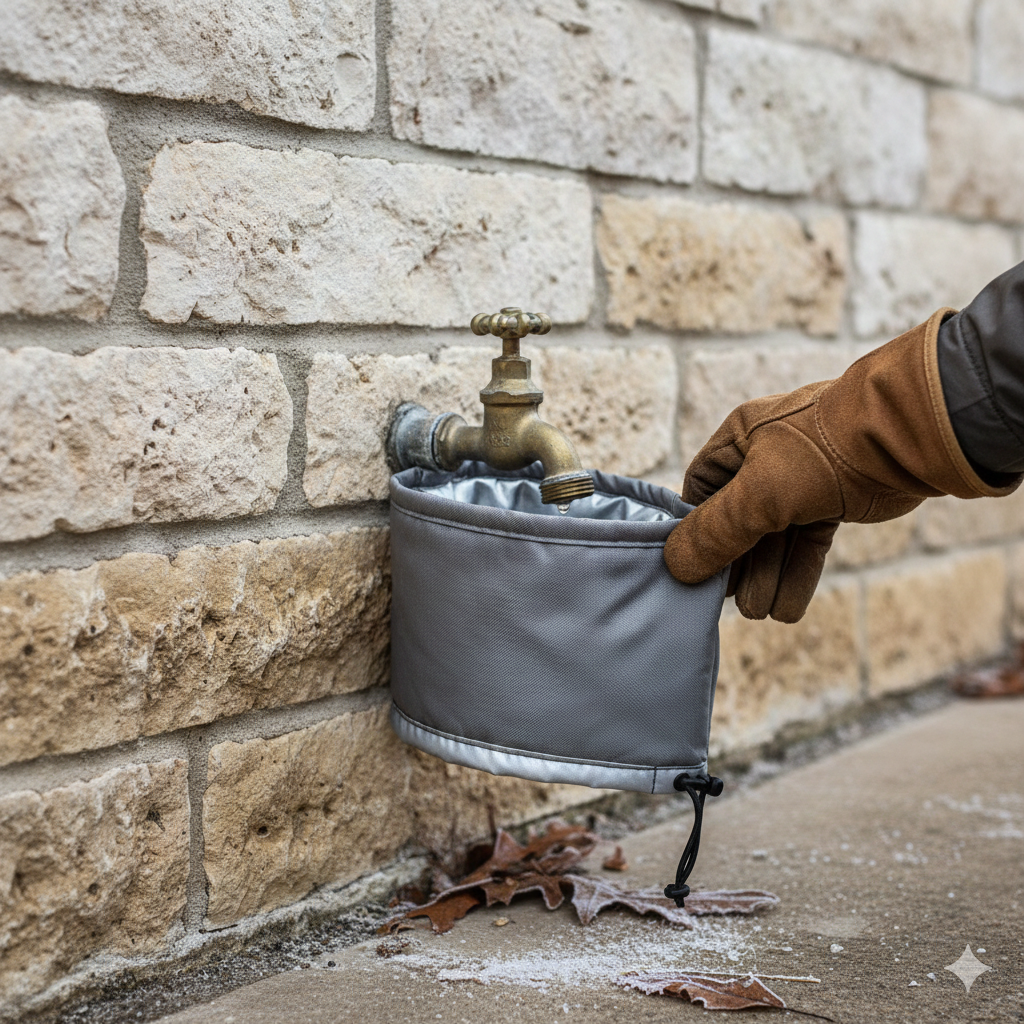
Cover Outdoor Faucets: Disconnect all garden hoses and cover outdoor spigots with insulated faucet covers (foam protectors). Don’t wait until the forecast predicts a freeze - buy them now before they’re sold out which seems to happen by mid January each year at the Dripping Springs Home Depot
Open Cabinets: During a deep freeze, open the cabinet doors under kitchen and bathroom sinks to allow warm air from the house to circulate around the pipes near exterior walls.
Wrap: Use foam pipe sleeves, heat tape, or even towels/blankets for emergency insulation on exposed pipes in unheated areas like attics, garages, crawl spaces, and under the house.
Cover Outdoor Faucets: Disconnect all garden hoses and cover outdoor spigots with insulated faucet covers (foam protectors). Don’t wait until the forecast predicts a freeze - buy them now before they’re sold out which seems to happen by mid january each year at the Dripping Springs Home Depot
Open Cabinets: During a deep freeze, open the cabinet doors under kitchen and bathroom sinks to allow warm air from the house to circulate around the pipes near exterior walls.
2. Locate and Test Your Water Shut-Off Valve
Knowing how to turn off the water to your entire home can save you tens of thousands of dollars in water damage if a pipe bursts.
Identify: Locate the master shut-off valve (often near the street, or where the main line enters the house).
Test: Make sure the valve works and that everyone in the home knows where it is and how to operate it.
Do This 1st: Before calling a plumber or attempting to determine the source as soon as you notice a leak (inside or out) go to the main valve and shut it off. I can’t stress this enough, I’ve seen homeowners need to spend thousands to repair the damage caused (quickly!) by water.
3. Service Your Heating System (HVAC & Fireplace)
Since Hill Country heating systems may not run for long periods, regular maintenance is vital for the times you truly need them.
HVAC Tune-Up: Schedule a professional inspection of your heating, ventilation, and air conditioning (HVAC) system to ensure it's running safely and efficiently, this also helps to increase the longevity of your systems.
Change Filters: Replace air filters monthly during high-use winter months for better airflow and efficiency.
Chimney: If you have a wood-burning fireplace, have the chimney professionally inspected and cleaned to remove creosote buildup, which is a major fire hazard.
4. Seal Air Leaks and Boost Energy Efficiency
Cooler weather highlights all the small leaks that let warm air escape and cold air creep in. Sealing these gaps helps keep your home warm and manages energy bills.
Weatherstrip & Caulk: Check the weather stripping around all doors and windows, replacing any that are worn out. Use caulk or expanding foam to seal cracks where pipes, vents, or cables enter the house.
Insulation: Inspect your attic insulation. Adequate insulation keeps warm air in and can significantly reduce your heating load.
5. Protect Delicate Plants and Shut Off Irrigation
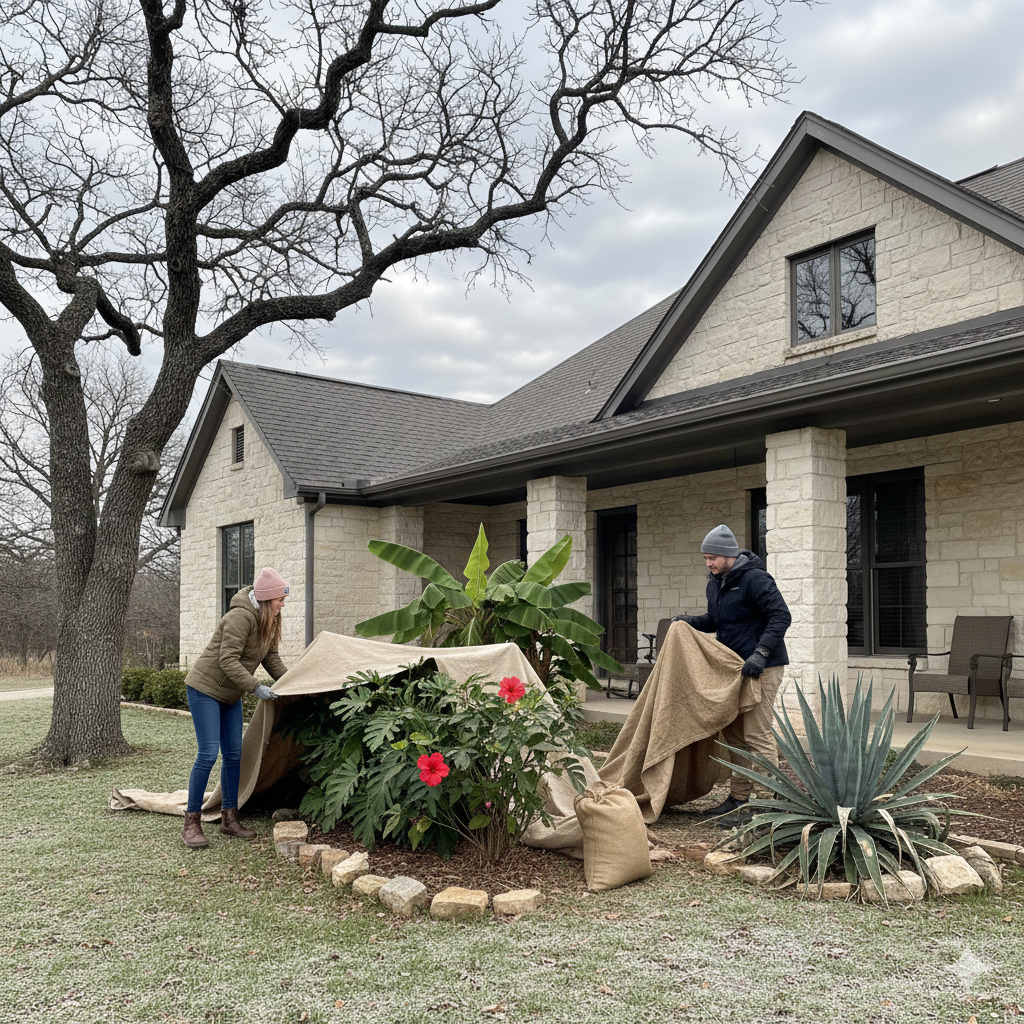
The Hill Country is known for its beautiful, but often sensitive, landscaping. Frost can kill vulnerable plants quickly.
Pipes First: Turn off and drain your automatic sprinkler system to prevent water from freezing inside the lines and cracking the pipes. To be honest, I live in Driftwood and we have never drained out sprinkler system, this isn’t advice, just keeping it real.
Cover/Relocate: Bring small potted plants indoors. Cover sensitive shrubs and trees with burlap or frost cloths when a hard freeze is predicted.
Mulch: Apply a thick layer of wood (not rubber) mulch around the base of plants to insulate the roots from sudden temperature drops.
Published by Carissa Holmes in Driftwood Texas