
Freedom vs. Financial Security: Let’s Talk HOAs
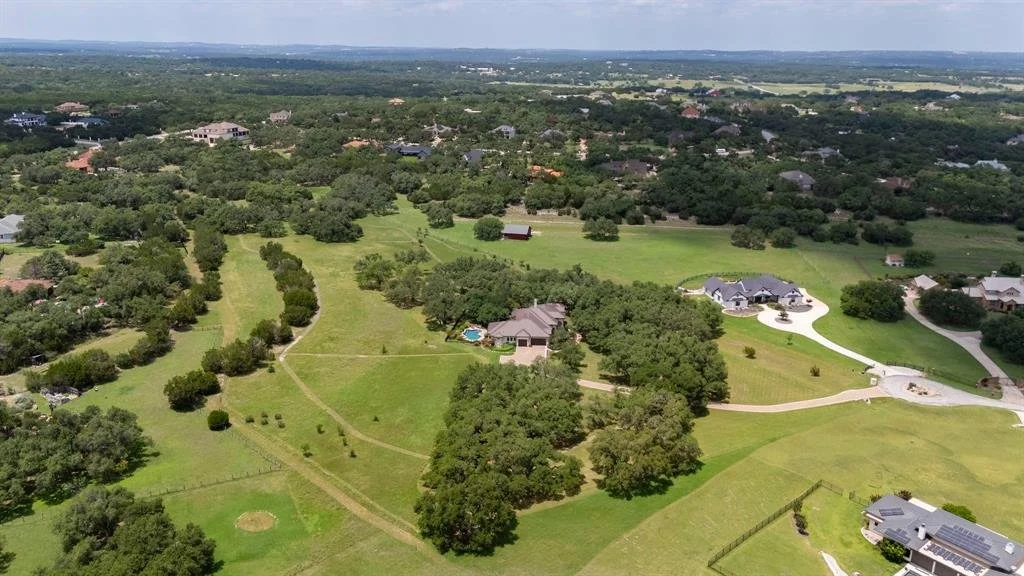
Moving to the stunning Texas Hill Country, be it Dripping Springs, Driftwood, or Southwest Austin, often means choosing between a tranquil rural property and a master-planned community. Many of the most sought-after developments, like Parten Ranch, Caliterra, Founders Ridge, and Rim Rock, are governed by a Homeowners Association (HOA).
An HOA is a legal entity that establishes rules and collects mandatory fees (dues or assessments and in some cases both) to maintain, protect, and enhance the collective value of the neighborhood. As your local real estate expert, I can tell you that for every buyer who loves HOAs, there’s another who runs the other way. But maybe it’s not such a black and white issue, have you heard of volunteer HOA participation? It’s a thing. Sunset Canyon is just one of the communities in the DSISD that has a volunteer HOA structure.
Moving to the stunning Texas Hill Country, be it Dripping Springs, Driftwood, or Southwest Austin, often means choosing between a tranquil rural property and a master-planned community. Many of the most sought-after developments, like Parten Ranch, Caliterra, Founders Ridge, and Rim Rock, are governed by a Homeowners Association (HOA).
An HOA is a legal entity that establishes rules and collects mandatory fees (dues or assessments and in some cases both) to maintain, protect, and enhance the collective value of the neighborhood. As your local real estate expert, I can tell you that for every buyer who loves HOAs, there’s another who runs the other way. But maybe it’s not such a black and white issue, have you heard of volunteer HOA participation? It’s a thing. Sunset Canyon is just one of the communities in the DSISD that has a volunteer HOA structure.
Here is a balanced look at the pros and cons of living in a Hill Country neighborhood with an HOA.
The PROS: The Value of Structure and Shared Amenities (Typically)
The primary reason buyers opt for an HOA community is the promise of a superior lifestyle and property value protection. Very often these are communities that have “resort-like amenities”; pools, play grounds, sporting courts, fitness centers and club houses and the list goes on and on - some of these communities really are like all inclusive resorts.
1. Premium, Maintained Amenities
The Hill Country lifestyle is often defined by outdoor recreation and HOAs deliver this through shared facilities that would be impossible or too costly for an individual homeowner to maintain.
Examples in the Market: Subdivisions like Parten Ranch are known for their resort-style pools, dedicated amenity centers, and extensive hike-and-bike trail systems built around preserved natural landscapes. Caliterra focuses on nature, offering access to Onion Creek, fishing docks, and abundant protected green space for residents and their guests.
What This Means: Your monthly dues grant you access to high-quality amenities without the headache and very real cost of personal maintenance. However, you are sharing these amenities with your entire community. Often you can reserve a clubhouse room or an area at the pool but for the most part all residents are welcome at all hours of operation.
2. Enhanced Property Value and Consistency
HOAs enforce rules (known as Covenants, Conditions, and Restrictions, or CCRs) on property appearance, which prevents one poorly maintained home from dragging down the value of the entire block. IMPORTANT NOTE: review this document in great detail prior to purchasing a lot or home in a neighborhood with a HOA, your purchase of the home constitutes your agreement to abide by the CCR’s of the community. Even if you drove by 5 homes with storage sheds, it does not mean that storage sheds are permitted at the time of your purchase. You are governed by the CCRs in place at the time you take ownership of the property. It’s entirely possible that sheds (in this example) were permitted 15 years ago when your shed-having neighbor purchased their home. Then somewhere along the line, the HOA board enacted a modification to the CCRs (usually this is voted on by the residents) that states, the building of storage sheds is no longer permitted. “The Building Of” is the important part here. If you are buying a home with (example) storage shed and the current CCR’s state something to the effect of “storage sheds are not permitted” your Realtor ® should suggest you do 1 of 2 things:
If you want the shed, get in writing that the existing storage shed is grandfathered in and will not need to be removed unless it falls under disrepair
If you don’t want the shed, have the seller remove it prior to closing (don’t forget to have them lay sod or whatever necessary to conceal the footprint left behind.
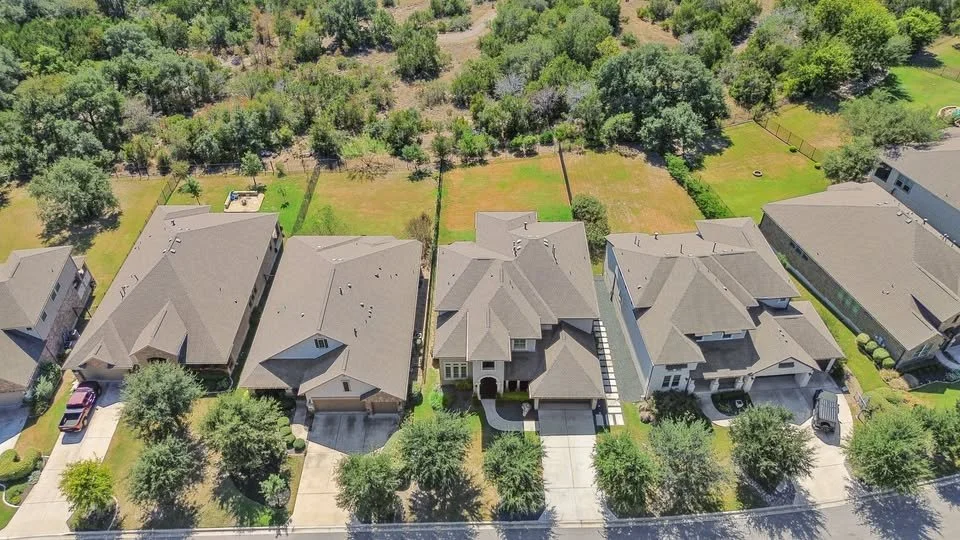
At a basic level HOA’s provide:
Consistency: Rules regarding house paint colors, lawn maintenance, approved fencing, and visible storage ensure a cohesive, well-kept streetscape.
Protection: This consistency is highly appealing to future buyers, contributing to better resale values.
Community Rules: The first example that personally comes to mind is fireworks, are they permitted? If so, when? Where? (this is a real hot button issue in my neighborhood) What about fire pits, can they be wood burning or only propane?
3. Maintenance of Common Areas
The HOA handles the maintenance and insurance for shared facilities, community entrances, streetlights, private streets (in some cases), and neighborhood parks.
Benefit: In communities like Parten Ranch and Reunion Ranch, the HOA fee ensures the entryways are beautifully landscaped and that community resources are functional and clean, freeing up your personal time.
Resort-like pools and play areas: The upkeep of these areas is costly but often well worth it, a large portion of HOA fees typically go to maintain these areas.
4. Dispute Resolution
If you have a neighbor whose dog barks relentlessly or whose RV is permanently parked on the street, the HOA is often the mechanism for resolving the issue, removing the burden of confrontation from your shoulders. It is, however, worth taking a deep dive into how effective these resolution attempts are.
The CONS: Restrictions, Costs, and Loss of Freedom
The structure that protects property values is also the source of an HOA's greatest drawbacks, restrictions and mandatory fees.
1. Financial Commitment Beyond the Mortgage
HOA dues are mandatory and represent an additional monthly or quarterly housing expense on top of your mortgage, taxes, and insurance.
Escalation Risk: Fees can and do increase over time to keep up with rising maintenance costs.
Special Assessments: If the HOA's reserve fund is insufficient to cover a major, unexpected repair (like a pool resurfacing or a community gate replacement), the board can levy a special assessment, requiring homeowners to pay a large lump sum.
Unpaid Fees = A Lien On Your Property: In the state of Texas a HOA can place a lien on your property (making it nearly impossible to sell) if you have unpaid fees of any kind.
2. Loss of Personal Freedom and Creative Control
The rules that ensure uniformity also limit your ability to personalize your property.
Exterior Modifications: You will likely need permission (an architectural review) to install a shed, build a pergola, paint your front door a different color, or install solar panels.
Hill Country Specific: In areas like Founders Ridge and Rim Rock near Dripping Springs, HOAs often enforce rules in compliance with the local Dark Sky Ordinance, meaning strict limits on outdoor lighting that could conflict with your personal preferences. Please reach out if you’d like to talk more about this, I have a fabulous resource to introduce you to.
Rental Restrictions: Many HOAs strictly limit or prohibit short-term rentals (like Airbnb) and sometimes restrict long-term rentals as well, limiting your options if you decide to move and keep the property as an investment.
3. Overzealous or Inefficient Boards (often they’re both, hard to believe but true)

An HOA is only as good as the people managing it
If the board is run by volunteers who are inexperienced, inconsistent in rule enforcement, or preoccupied with internal politics, it can lead to friction and frustration among residents. Conversely, an overly strict board can feel dictatorial and this can really make homeowners feel awful, even when they are making every reasonable effort to remedy the situation, like weeds, a cracked driveway or dead trees.
4. Fines and Legal Power
HOAs have powerful enforcement tools. They can levy fines for rule violations (e.g., leaving trash cans out too long) and, in extreme cases of delinquency regarding dues or assessments, they can place a lien on your property or even initiate foreclosure under Texas law, this is massively important to understand. Many people, like myself, were rather shocked to learn about the power Home Owners Associations in the state of Texas have, get all the details here.
How do I know the culture of the HOA before I sign on the dotted line (electronically of course)?
The short answer is, you don’t. But there are ways to get an idea of what HOA vibe you’ll be feeling for years to come. The hands down best way to find out is to talk to people who live there. Drive around the neighborhood - or even better walk it - strike up a conversation with a homeowner by saying something like “Hi, I’m thinking about buying a home here. Do you mind telling me a bit about the neighborhood and specifically the HOA? Then just let them talk and take it all with a grain of sand. People tend to focus more on the negative than the positive however, they’re probably not purely making something up so regardless of any embellishment the more information you have the better the decisions you make will be.
Conclusion: Is an HOA Right for Your Hill Country Lifestyle?
There is no right or wrong answer, only the right fit for lifestyle your planning for.
Choose an HOA if: You prioritize access to a community pool, trails, and clubhouses; you value a consistent, manicured neighborhood aesthetic; and you prefer shared responsibility for common area maintenance.
Avoid an HOA if: You need complete freedom over your home's exterior modifications, you plan to use your property for short-term rentals, or you are highly adverse to paying monthly fees and potentially facing special assessments.
If you are considering a home in a specific community like Parten Ranch or Caliterra, your best step is to request and thoroughly read the HOA’s governing documents (CCRs) before making an offer, please reach out, if these documents aren’t already available though my website, I can certainly get them for you.
Contact me atCarissaHolmesRealEstate.com/letscontact to ensure a HOA is a true match for your financial and personal plans!