
Occupied Home Staging
How to Sell Your Home for More Without Moving Out
If you're preparing to sell your home in Dripping Springs or Driftwood, you’ve likely heard the term home staging. What many homeowners don’t realize is that you don’t have to move out to stage your home effectively.
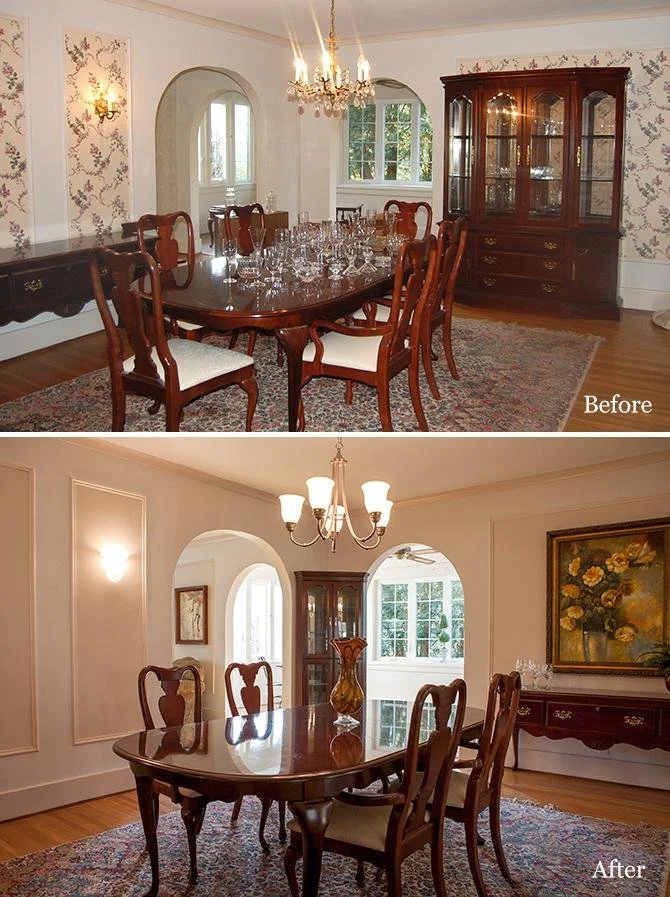
In fact, occupied home staging—staging a home while the seller is still living in it—is often the most practical and cost-effective approach. When done correctly, it can dramatically improve how your home shows online and in person, leading to stronger offers and fewer days on market.
This guide walks through what occupied staging really means, how it works, and why it’s one of the most important steps in a successful listing strategy.
What Is Occupied Home Staging?
Occupied home staging is the process of strategically preparing and styling your home using your existing furniture and belongings while you’re still living in the property.
Instead of bringing in an entirely new set of furniture (as with vacant staging), the focus is on:
Editing what’s already there
Repositioning furniture for better flow
Enhancing light, scale, and function
Creating a neutral, buyer-friendly presentation
The goal is simple: Help buyers emotionally connect to the home while minimizing distractions.
Today’s buyers form their first impression online—usually within seconds.
According to the National Association of Realtors, staged homes consistently:
Attract more buyer interest
Photograph better
Sell faster
Often command higher offers
In markets like Dripping Springs and Driftwood—where many homes feature acreage, unique layouts, or custom finishes—presentation is not optional. It’s a competitive advantage.
The Reality of Living in a Staged Home
This is where most sellers hesitate.
Yes, you’ll still be living in your home.
Yes, it requires effort.
But it’s also temporary—and directly tied to your bottom line.
Occupied staging is less about perfection and more about intentional presentation.
That means:
Not every cabinet has to be perfect—but visible spaces must be
Daily habits shift slightly (think “show-ready,” not “model home”)
Systems are put in place to make it manageable
When structured correctly, the process is efficient, not overwhelming.
The 4-Step Occupied Staging Process
1. Strategic Pre-Packing (Not “Decluttering”)
Before staging even begins, the most important step is what many agents gloss over.
You’ll remove approximately 50–60% of your belongings.
This includes:
Personal items and decor
Excess furniture
Seasonal items
Anything that makes a space feel crowded
This is not just about aesthetics. It:
Makes rooms appear larger
Helps buyers focus on the home—not your belongings
Prepares you for your eventual move
2. Pre-Listing Home Inspection
Before styling decisions are finalized, a professional inspection helps identify:
Minor repairs that could impact buyer perception
Larger items that may affect negotiations
Opportunities to address issues proactively
This step allows you to control the narrative instead of reacting during the option period.
A professional stager evaluates your home and provides specific direction, including:
Which furniture stays, goes, or moves
How each room should function (bedroom vs office, etc.)
Color, lighting, and accessory adjustments
Layout improvements for flow and scale
This is where strategy replaces guesswork.
4. Final Styling + Photography Readiness
The final stage is about dialing everything in:
Clean, simplified surfaces
Balanced, cohesive spaces
Optimized natural light
Camera-ready presentation
Professional photography happens immediately after—capturing your home at its absolute best.
A Smarter Way to Approach Selling
Occupied staging is not about making your home look like a magazine.
It’s about positioning your home to win in your specific market.
In Dripping Springs and Driftwood, where no two homes are exactly alike, that positioning is everything.