
Why the option period is the right time
In Texas, the option period is the window you pay for in the contract that lets you walk away for any reason and have your earnest money (EMD) returned to you. Inspections get most of the attention, but insurance belongs in the same window. If a quote comes back far higher than you budgeted, or a carrier won't cover the roof the way you assumed, you still have leverage to renegotiate or terminate. After the option period ends, you are dealing with the same information but will have far fewer choices. Your lender as well as the Title company will also want proof of coverage before closing, so it is better to learn about problems now.
Start quotes in the first few days of the option period. They take longer than people expect, especially if the carrier wants additional details about the roof or any other aspect of the property.
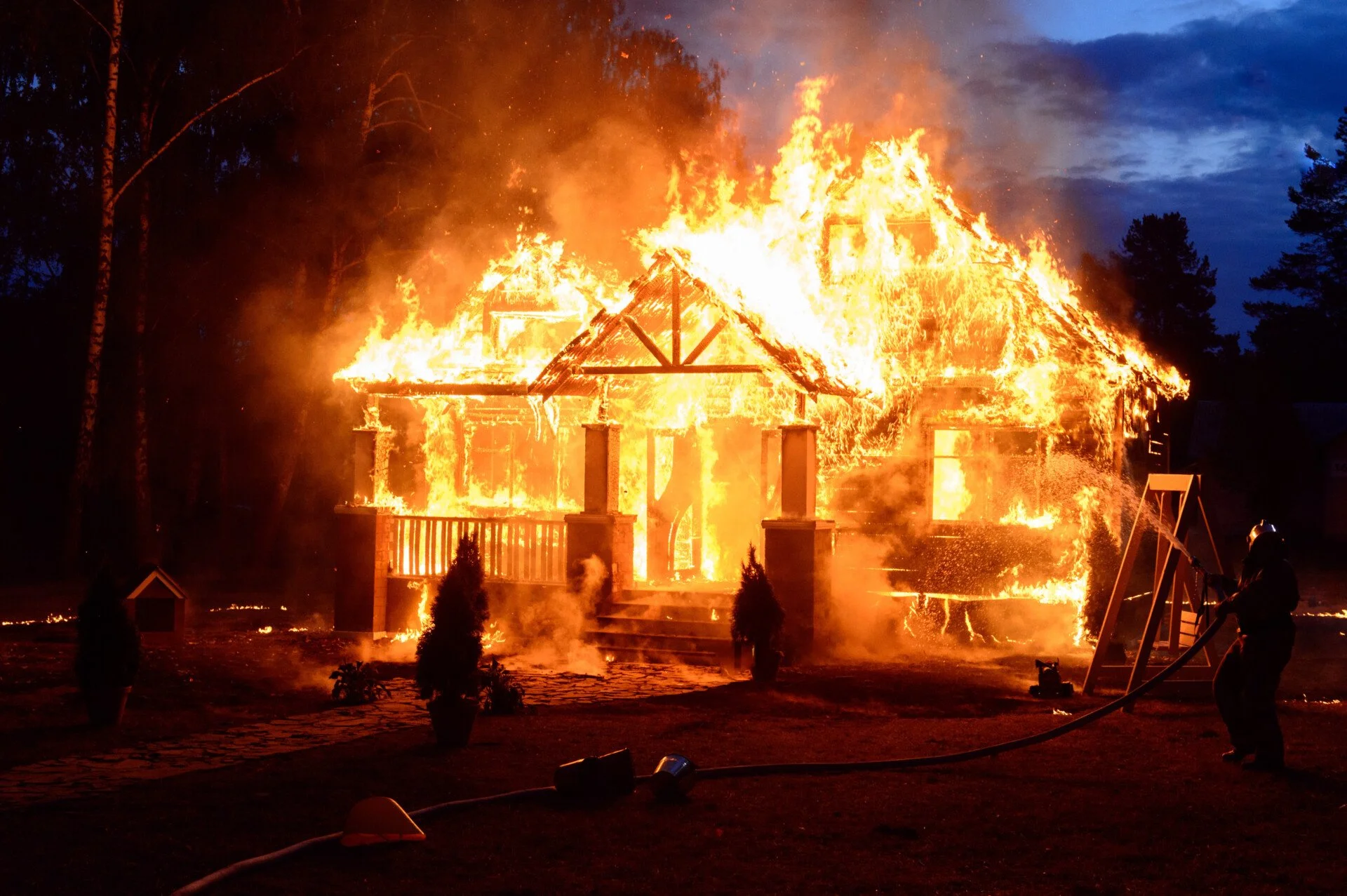
Roof age decides how your roof gets paid
Your roof is where most hail claims land, and it is where policy language matters most. Many carriers move older roofs from replacement cost (what a new roof costs) to actual cash value, or ACV (what your aging roof is worth after depreciation). Reports put the age where that switch happens anywhere from about 10 to 20 years, depending on the carrier. It often changes at renewal and can sit in the policy under a heading like "roof surfacing payment schedule."
The two features compound. A recent Texas insurance news report works through an example: on a home insured for $400,000 with a 3% deductible, which is $12,000, an ACV payout of $7,000 to $8,000 for a 15-year-old asphalt roof leaves the owner with no check and a roof that still needs replacing. You can stay insured and still receive little or nothing on a hail claim.
The same report says the Texas Department of Insurance clarified in late September 2026 that carriers cannot drop or nonrenew a policy based on roof age alone, though they can still change how an older roof is paid. Because this is recent, confirm it with the TDI before relying on it.
So before you commit, find out the roof's age and material, and ask each carrier how it would pay a claim on that roof. If you have been weighing metal against asphalt, our post on metal vs. asphalt shingles is worth a read alongside this one.
Your wind and hail deductible is probably a percentage
This is the surprise that costs buyers the most. On many Texas policies, the wind and hail deductible is a percentage of your insured dwelling value, not a flat dollar amount, and it applies to the whole insured value of the home, not to the size of the repair bill. United Policyholders, a consumer advocacy group, reported in April 2026 that wind and hail deductibles typically run from 1% to 5% of insured value, that 2% is the most common in much of Texas, and that some carriers in higher-risk areas use 3%.

A storm that causes $10,000 of damage on that home would barely register under a 3% deductible. When you compare quotes, ask for the deducible in dollars, not just as a percentage and compare those dollar figures side by side.
Flood is a separate policy
A standard homeowners policy generally does not cover flood damage. The Insurance Council of Texas says it plainly: your typical homeowner's policy does not cover flood, and flood insurance is typically bought separately, even outside designated flood zones. If you are coming from Houston, you already know this. What differs in the Hill Country is how water behaves. Creeks and low-water crossings can rise quickly, and drainage on a sloped, rocky lot is nothing like a bayou-fed neighborhood.
Timing matters. FEMA has said that most National Flood Insurance Program policies don't take effect until 30 days after purchase, with a few exceptions such as coverage bought along with a mortgage. That makes flood another reason to ask about it early, not the week of closing. If you want the Houston-to-Hill Country comparison in full, see our post on water and flooding for buyers moving from the Houston area.
Brush fire and defensible space
If your insurance conversations to date have been about California, expect a different mix here: hail and roof age tend to dominate the quotes, while wildfire is a question to raise, not a given. North Hays County Fire Rescue reports that wildland fires are the most common type of fire it responds to, and risk rises where homes sit near brush and cedar, an area fire officials call the wildland urban interface. The Texas A&M Forest Service's Firewise program offers guidance on defensible space, which means clearing brush and dry vegetation around the house.
On a Driftwood acreage property or a lot backing up to undeveloped land, walk the perimeter and look at how close brush and cedar come to the structure. Then ask your insurance agent whether brush clearance or fire protection affects eligibility or price for that address.
What to ask before you commit
Roof: Ask the seller for the roof's age, material, and last replacement date. The Seller's Disclosure Notice includes roof and insurance claim questions, so check what the seller wrote.
Claims history: Ask whether any hail, wind, or water claims have been filed on the property.
Quotes: Have an independent agent quote more than one carrier for the exact address, with the real roof age.
Wind and hail deductible: Get it in dollars and as a percentage on every quote.
Roof payment: Ask whether the roof is paid at replacement cost or actual cash value, and at what roof age that changes.
Flood: Get a separate flood quote and ask about the waiting period.
Brush and fire: Ask whether defensible space or the property's surroundings affect coverage or price.
Timing: Put every answer in front of you before the option period ends.
Want help building a realistic monthly cost for a home in Dripping Springs or Driftwood, insurance included? Let's talk. Schedule a Conversation.