
The Reality of Selling a Home in Caliterra: A 12-Month Market Deep Dive
Driving through the winding roads of Caliterra, one of Dripping Springs largest communities, it is easy to be captivated by the beautiful Hill Country views and the quiet resort-style aesthetic of Caliterra. But for a neighborhood that prides itself on aesthetic stability, the data beneath the surface tells a story of surprising turbulence. A standard yard sign might say "Sold," but it rarely reveals the months of waiting, the quiet price cuts, or the inventory droughts that preceded the closing.
To really understand the real estate market health of this community, you must look past the surface-level numbers. Caliterra serves as a fascinating case study in why the "obvious" market trends are often a mirage. By dissecting a full year of activity, from June 2025 through June 2026, you can uncover a narrative that is far more nuanced than a simple property listing suggests. These nuances are what will determine the sale of your home. Be sure to list with an agent that isn’t just aware of them but really understands them.
Here are four critical takeaways that define the reality of Caliterra’s market today. Several other neighborhoods in DRIP and Driftwood are seeing some of the same, but not all. Set up a time to connect if you’d like to know what factors, even those that seem hidden, could impact the sale of your home.
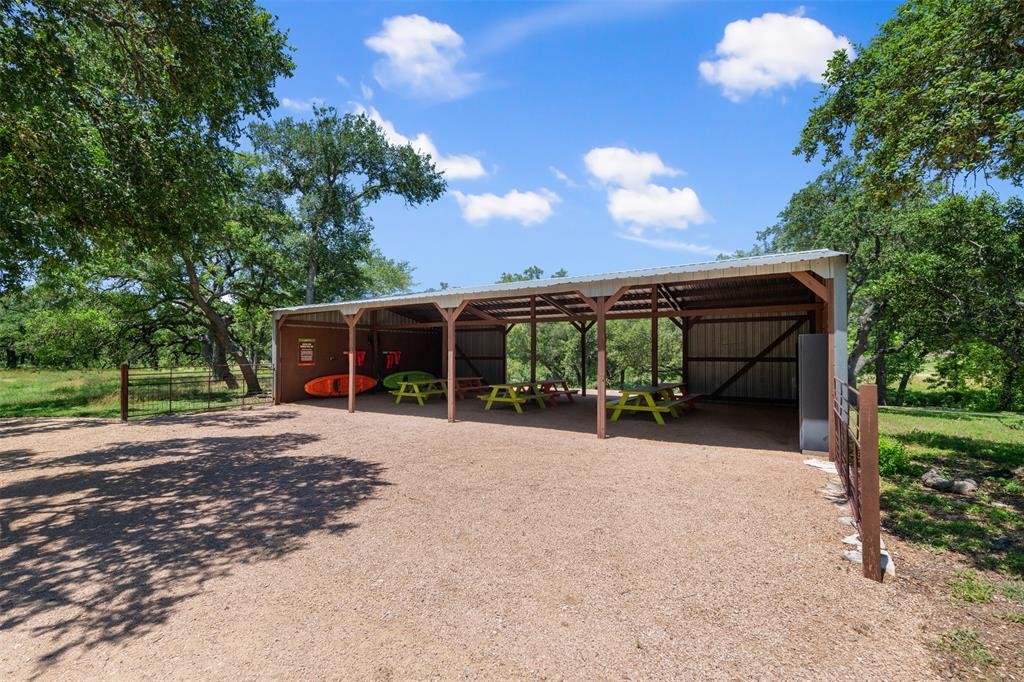
The Dock House at Caliterra
1. Why "Sold for Asking" Isn't Always What It Seems
One of the most persistent myths in the Dripping Springs market is the "100% list-to-price ratio." On paper, it suggests a "hot" market where every seller receives exactly what they requested. However, the June 2026 market update for Caliterra issued a vital warning about how this metric is traditionally calculated:
"To date the list-to-price ratio has been shown here as it is generally calculated. Close price / list price (the most recent list price) this is misleading." Learn more about list:price ratio on this recent post
This "illusion" was on full display in June 2026. While the public-facing reports showed a 100% ratio, the "true" ratio, calculated against the original asking price, was actually 90%. This isn't a one-off anomaly; it is a recurring theme. Back in October 2025, the gap was even more staggering, with a true ratio of only 83%. When sellers are forced to drop their prices significantly just to get a bite, a "full price offer" on that revised number is a victory of marketing, not necessarily a victory of value.
2. The Massive Volatility of Neighborhood Averages
Caliterra experienced a rollercoaster of perceived value over the last twelve months. If you entered the market in August 2025, you were looking at a peak average sale price of $1.4 million. By October, that had dipped to $1.2 million. However, the true floor of the year occurred in June 2025, when the average sale price bottomed out at $730,000, eventually rebounding slightly to a secondary low of $779,000 in May 2026.
This represents a staggering $670,000 swing from the absolute floor to the absolute peak. This volatility isn't necessarily a sign of a market in crisis, but rather a reflection of mechanics. In a boutique neighborhood where only one to ten homes close per month, such as the lone closing in January 2026, a single high-end luxury estate or a smaller entry-level home both of which can be found in Caliterra, can wildly skew the average. One transaction can change the perceived value of the entire neighborhood overnight.
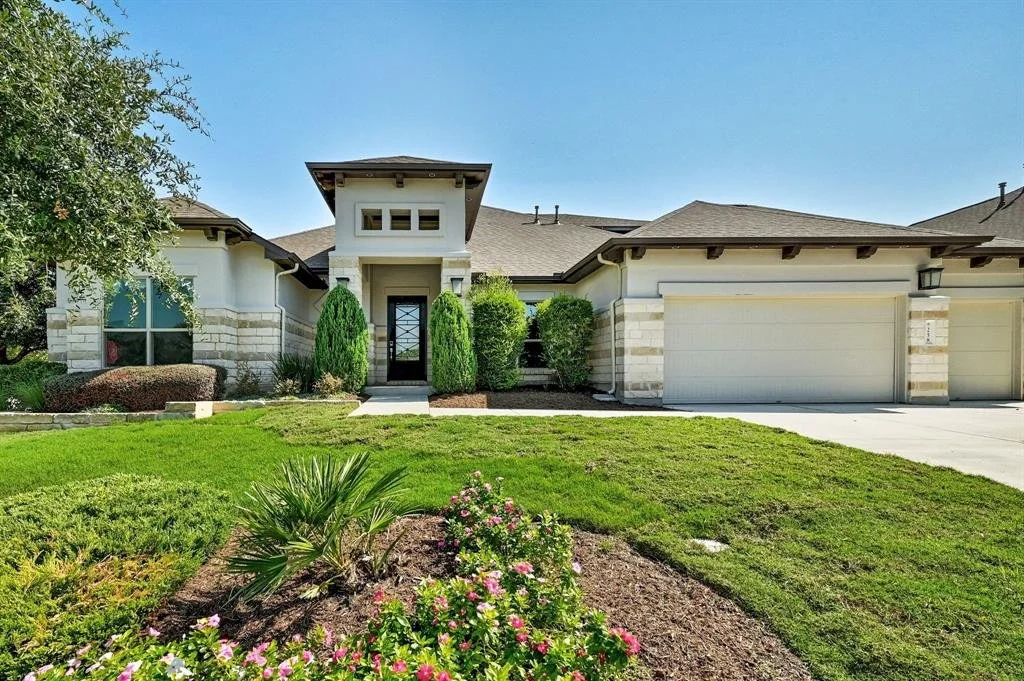
3. When the Market Hits a Standstill
The "story behind the numbers" is often found in what isn't there. In May 2026, Caliterra experienced a "ghost month" where new listings hit exactly zero. This stands in stark contrast to the high of July 2025, which saw 10 new homes enter the market.
This total lack of new inventory creates a direct link to the price volatility mentioned above. As fresh options vanished, the "Currently Active Listings" pool shrank from a healthy 22 homes in September 2025 to just 7 in May 2026. When inventory is tight like this, the power of a single sale and agent is magnified. Buyer competition may technically increase for the few remaining homes, but the market effectively enters a standstill, waiting for a spark of new inventory to redefine the price ceiling and maybe even the floor.
4. Patience is the New Requirement for Sellers
The "Average Days on Market" (DOM) serves as the ultimate barometer for buyer urgency. While March 2026 saw a brisk pace of just 31 days to close, the broader trend is one of required patience. In September 2025, the DOM hit an extreme high of 160 days. This trend of long-term waiting resurfaced in May 2026 at 153 days and remained significantly elevated in June 2026 at 100 days. Note, this is typically the one and only data point being taken into account when a market is deemed to be in a “Sellers” or “Buyers” market.
This data suggests that even in a premier neighborhood like Caliterra, the "waiting game" is becoming a sustained requirement. Sellers today must be prepared for their home to sit for three to five times longer than they might have expected during the "fast" months of early spring. Patience has transitioned from a virtue into a strategic necessity which is why professional occupied home staging is so valuable to my clients and why I include it as part of my listing process.
The Path Forward for Sellers in Caliterra
The overarching trend for the Caliterra market is a move toward more honest reporting and long-term stabilization. As we look toward July 2026, the official list-to-price ratio calculation will finally shift to reflect original list prices, bringing much-needed transparency to the community and those that are considering buying a home in it. Let’s talk about how to get you Caliterra home sold quickly!